County Lines Drug Shut Down
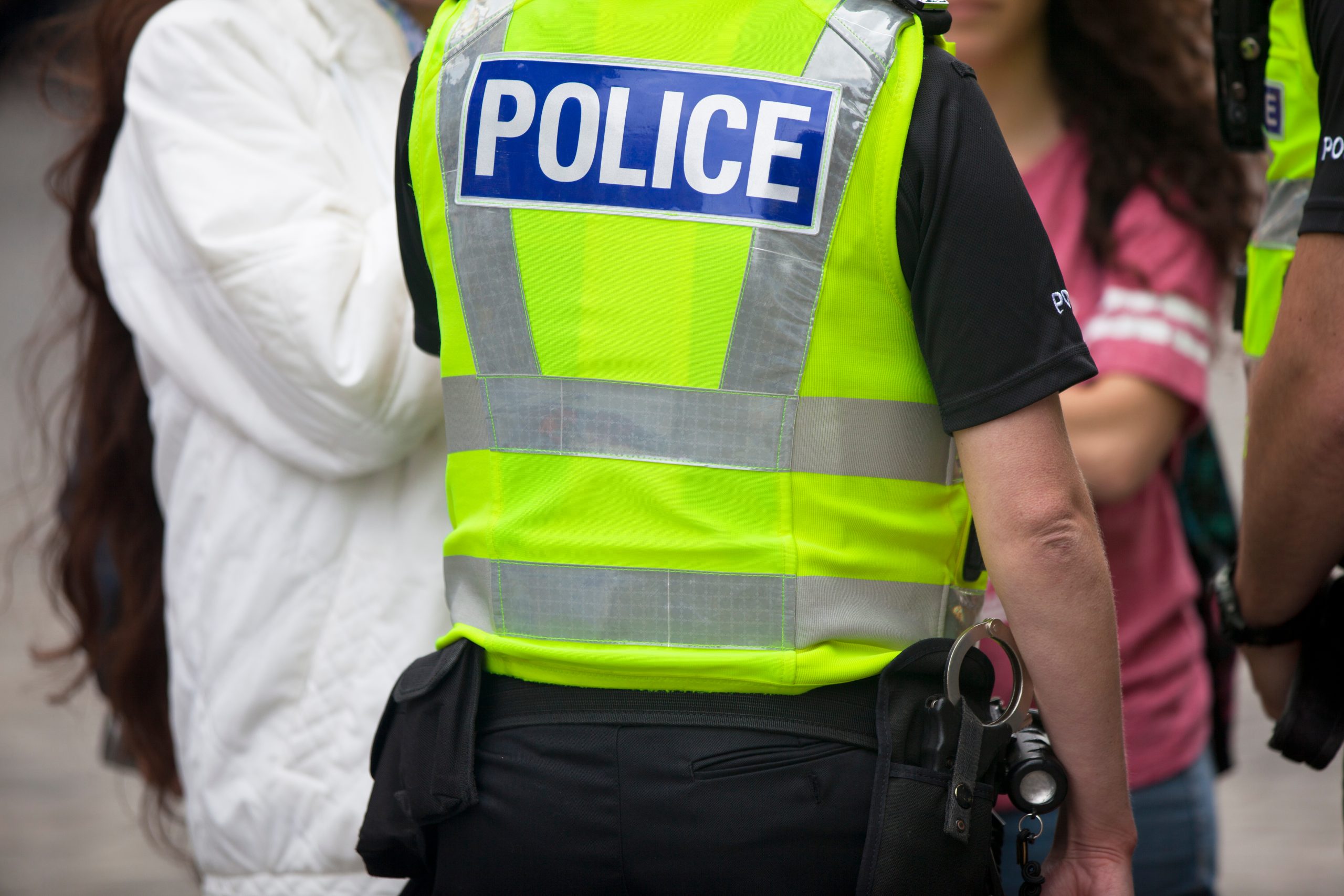
A joint operation between British Transport Police (BTP) and Bedfordshire Police has led to active drug lines being shut down and suspected dealers arrested.
The two-day operation took place in Luton on 20 January and Bedford on 21 January.
Its aim was to target offenders involved in drug supply, as well as identify and safeguard children exploited by gangs to move drugs between locations.
Officers and safeguarding experts were present across the railway in Bedfordshire alongside specialist units, such as drug detection dogs.
In Bedford on 21 January, plain clothes officers from BTP’s County Lines Taskforce stopped and searched a 36-year-old man.
He was found to be in possession of 37 wraps of crack cocaine and heroin, along with a burner-style phone, and was arrested on suspicion of possessing Class A drugs with intent to supply.
Officers then attended his address to conduct a search and found an imitation firearm, 65 grams of cannabis in sandwich bags, and more than £2,000 in cash.
A total of 12 arrests were made connected to drug supply across the two days, plus seizures of Class A and B drugs, a samurai sword and other bladed weapons.
BTP and Bedfordshire Police also executed early morning warrants in both Luton and Bedford, resulting in more suspected dealers arrested and drug seizures.
Local organisations were present to support the awareness raising and prevention opportunities, as well as providing expertise immediately if a child or vulnerable adult who was potentially being exploited and trafficked to move drugs was identified.
These included: Bedfordshire’s Violence & Exploitation Prevention Partnership (VEPP), local authority children’s services, drug and alcohol services, St Giles Trust, The Children’s Society, Catch 22 and Reactiv8.
BTP Detective Superintendent David Udomhiaye said: “Joint operations like these are a key part of our ongoing efforts to crack down on County Lines criminal networks and protect communities from the harmful drugs they peddle.
“Working with our Bedfordshire Police colleagues, we’ve seized a large quantity of Class A drugs and dismantled the operations of these drug suppliers.
“We know that these gangs exploit children and vulnerable people to move their drugs across the county using the rail network. That’s why safeguarding is at the heart of everything we do as a Taskforce, ensuring those identified as being exploited are treated as victims and get the best support possible.
“Passengers who spot the signs of child exploitation or drug supply on the railway are urged to report it to us by texting 61016.”
Bedfordshire Police Superintendent Tom Stean said: “This operation is a clear demonstration of how working together makes us stronger in tackling County Lines and the exploitation of vulnerable children.
“By joining forces with British Transport Police and key partner agencies, we can target both our towns and transport hubs to disrupt organised criminal groups and protect those at risk.
“We also need the public’s help – you are our eyes and ears. If you spot the signs of exploitation or suspicious activity, please report it. Every piece of information helps us safeguard young people and dismantle these dangerous networks.
“For anyone who is a victim of county lines exploitation, support is always available. We work closely with partners to provide help and guidance, and our priority will always be to protect and support those at risk of harm.”
Cara Gavin, Head of Bedfordshire’s VEPP, said: “These two days of action are a strong example of what can be achieved when multiple agencies work together with a shared purpose. Protecting our vulnerable young people is not the responsibility of one organisation alone and requires a holistic, joined up approach.
“Throughout the operation, VEPP partners from across the local community were present alongside Bedfordshire Police and British Transport Police. It was through this joint effort that we were not only able to identify and respond to formal concerns in two cases, but also engage in more than 370 meaningful interactions with the public about what exploitation can look like, and where to seek help. Raising awareness is a vital part of prevention.”
- Leighton Buzzard fundraiser takes on 1,000km running challenge for The Air Ambulance Service
 A Leighton Buzzard man is putting his best foot forward in 2026 by taking on an incredible 1,000km running challenge to raise vital funds for The Air Ambulance Service (TAAS).… Read more: Leighton Buzzard fundraiser takes on 1,000km running challenge for The Air Ambulance Service
 - Wheel Power Tour de Vale 2026 Charity Bike Ride
 Enter Now Entries are now open for the 2026 Bucks Radio Tour de Vale Charity Bike Ride, which will take place on Sunday 7th June. This year’s event will be… Read more: Wheel Power Tour de Vale 2026 Charity Bike Ride
 - What’s Inside the April Edition of Bee Local
 The latest edition of Bee Local Magazine is now out and being delivered across Leighton Buzzard and the surrounding villages. If you’ve already spotted it through your door you’re not… Read more: What’s Inside the April Edition of Bee Local
 - £7.7 million for Bedfordshire Crime Ops
 Police and Crime Commissioner John Tizard has secured an extra £7.7 million to tackle serious and organised crime. Commenting on the news, he said: “This additional £7.7m of funding for… Read more: £7.7 million for Bedfordshire Crime Ops
 - Leighton Linslade Schools Join Forces for 2026 Run 4 Fun
 Hundreds of local youngsters dashed into action as part of the annual Leighton Linslade school games fun run at Astral Park Sports and Community Centre. At the start line were… Read more: Leighton Linslade Schools Join Forces for 2026 Run 4 Fun